about
Founder, CEO, COO, ETC
I have a Bachelor’s in fashion and textile design, and I’m working on my Master’s in art history and visual culture. I’ve been involved with theatre and theatre costuming for over a decade. I’ve been larping for over 8 years. And I’ve been obsessed with fashion history for my entire life.
My name is rowan paramour

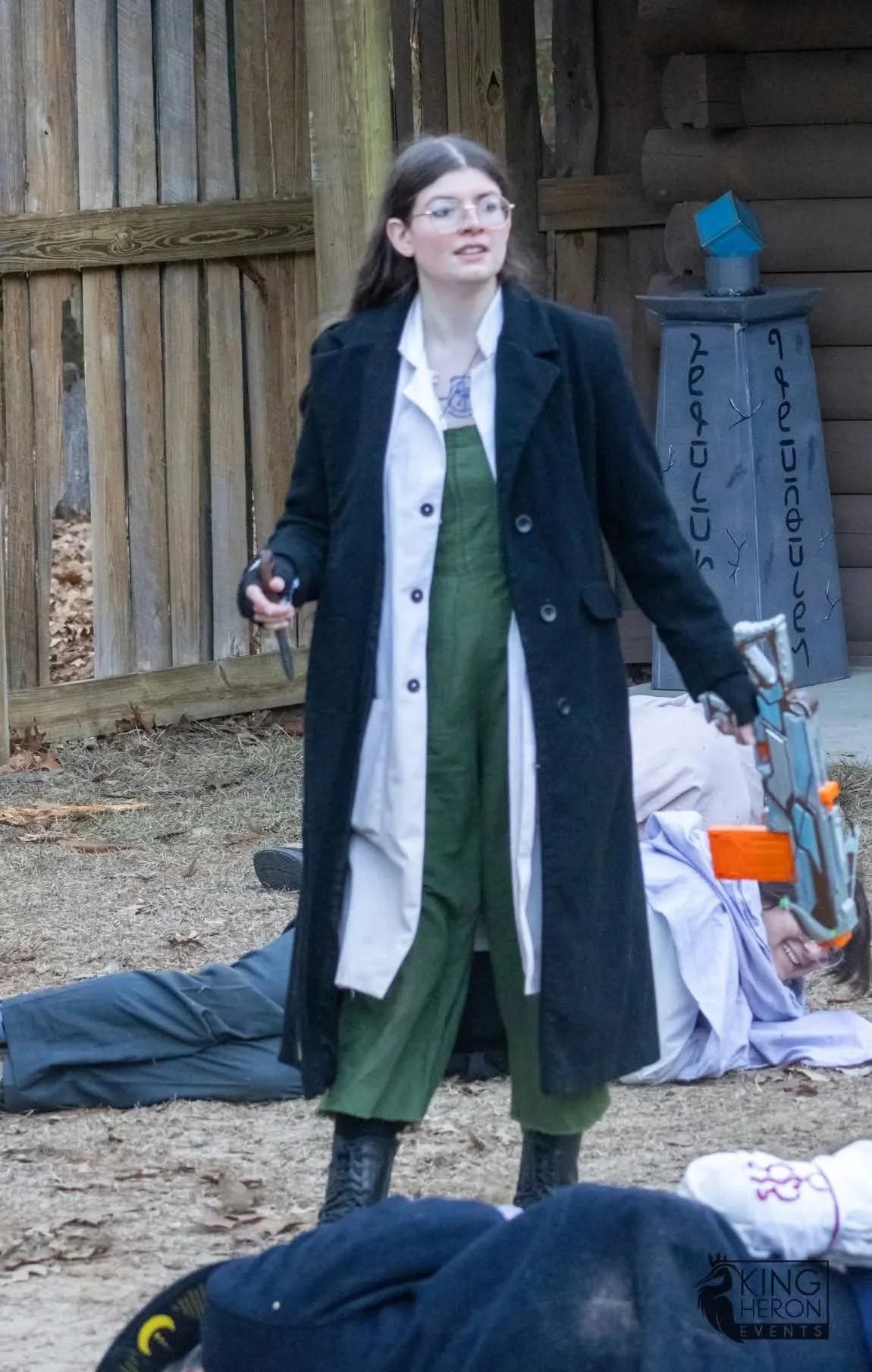
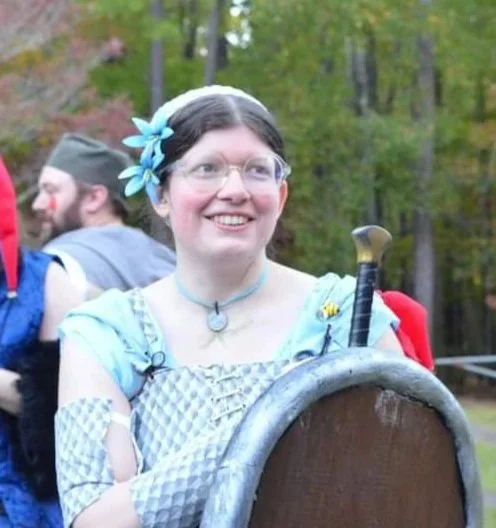
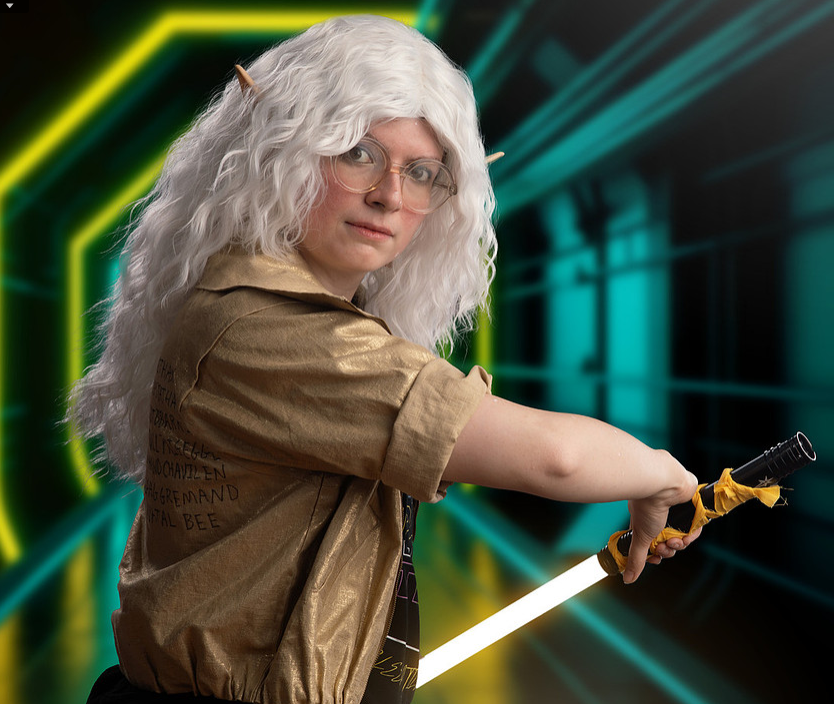
Photo credit: Zenith
Photo credit: M.G. Norris Photography
Photo credit: Jamie Wells
Enough about that rando, what’s up with these patterns?
Throughout my years of larping, I sewed or modified clothes for most of my own costumes. For me, it’s always been the easiest route to get exactly what I want and need for my larp kit, and to infuse a lot of personal touches to my character. But that’s not the case for many folks I’ve met. Throughout the years, I realized that while most of my larp friends could sew, they couldn’t pattern clothes, at least formally. Sometimes you could use historical patterns, but unless you had experience with them they could often be confusing and overwhelming. More commercial patterns were easier but were often unsuitable for the rigorous physical activity many larps call for. And to top it all off, many people just never learned certain sewing techniques required to make the type of garments that they want. I wanted to find a way to help with that.
Commissioning a costume can cost thousands, between the labor of designing and drafting the custom pattern, the labor of construction, and the material costs. This is an inaccessible option to most people I know personally. But I came up with effectively the next best thing: what if I made highly customizable sewing patterns with features geared towards larper?
To learn more about the specifics of what that means for Consutura Costumes, check out the drop downs below!
-
Inclusive can mean a lot of things, so let’s run down a brief list of the ways Cosutura makes our business inclusive.
Sizing (and sizing availability): The way I was taught to grade (size up or down) patterns was effectively to add a half inch all the way around. This was considered sufficient for standardized clothing patterns. Well, we don’t make standardized clothing patterns here. We have our own numerical size range, from A-T, from a 22” waist to a 67” waist. And every purchase comes with all of the sizes: no single person’s body stays the same size, and you’re unlikely to only have friends the exact same size as you (because yes, of course you can share the pattern, so long as its not for commercial use or reproduced in any way). We also include instructions for how to better adapt the patterns to your unique body, since not every body is going to have the same proportions.
Physical Ability: we can’t account for every possible physical limitation, but we will always include more physically accessible options for closures, alterations for less constriction and bulk for those with mobility aids, and
Sewing Experience: whether you’ve never used a sewing machine before or handsew and embroider reproduction 18th century waistcoats for a living, our patterns will be usable by you, with clear, descriptive language, pictures to illustrate every step, as well as enjoyable and informative, with unique historical and sewing lessons incorporated into every guidebook.
Gender: There will be absolutely no gendered language around the actual garments. I’m queer, and I know firsthand that queer bodies don’t always “fit into” clothes the way they’re meant to. Well, I think it should be the other way around: clothes should conform to you, and especially for queer folks, a well fit garment can be especially affirming. We include modular options for different chest and hip proportions for all patterns, so you’ll never run into a situation where the garment fits in the chest but is tight in the hips and shoulders, or there’s extra room in the chest and the waist seam hits too high for you.
-
Sustainability is often associated with environmental sustainability, and while that is a core part of how we define it, we also strive for community and growth stability.
Environmentally, we strive towards sustainability by only doing digital patterns, which reduces waste. We also provide resources and guides for reducing and reusing material during projects to reduce fabric waste especially.
For our community, sustainability means building up relationships and lifting up other creators, not competing with them. Seeking out community feedback and pattern testers, not as volunteers, but as collaborators who are compensated for their labor. Putting content into our patterns that make the users more educated and more empowered through their sewing skills.
For our business growth, sustainability means pricing products affordably and making the patterns and their guidebooks be valuable and enriching sources of information, long after the first (though hopefully not only!) version of the project is done, and ensuring that the products the patterns help create are long lasting and highly wearable for a number of occasions and settings. Business sustainability also means developing patterns with care, both in concept and execution, taking the time to rework and perfect the pattern through rounds of testing.
Overall, sustainability to us means measuring success not by mere financial growth but by community impact and reach.
-
Many “larp genre” appropriate clothes are very…dull. Like, wow a vaguely medieval-renaissance inspired dress with an aline skirt and flowy sleeves? Groundbreaking. And that’s before we even get into the more masculine options, barren of any sense of variety or exploration.
For patterns that pull more directly from historical garments, we deliberately choose garments and regions that are underexplored in the pattern/premade garment industries for larp. With that said, we will never recreate a piece of cultural costume outright, we will always discuss our inspirations at length, we will intentionally and carefully utilize our inspiration, and we will always listen to our community if they tell us that our design has crossed over from appreciation of a culture and elevation of our own unique design, into stealing and appropriating the work and culture of others, especially of non-white cultures.
Every pattern will also include multiple aesthetic variations to allow the user to truly customize it to them; this also makes the patterns very reusable for different costumes.